

Viral Load: The Logistical Crisis of a Mid-Ocean Outbreak
A suspected hantavirus outbreak on an expedition cruise ship off Cape Verde has left three dead, sparking a high-stakes international medical evacuation.
TL;DR
Three fatalities and three active illnesses on an expedition vessel trigger a global maritime health response.
Laboratory tests confirm hantavirus, a rare respiratory pathogen typically linked to environmental exposure.
Multinational coordination is underway to evacuate patients and manage the vessel's approach to the Canary Islands.
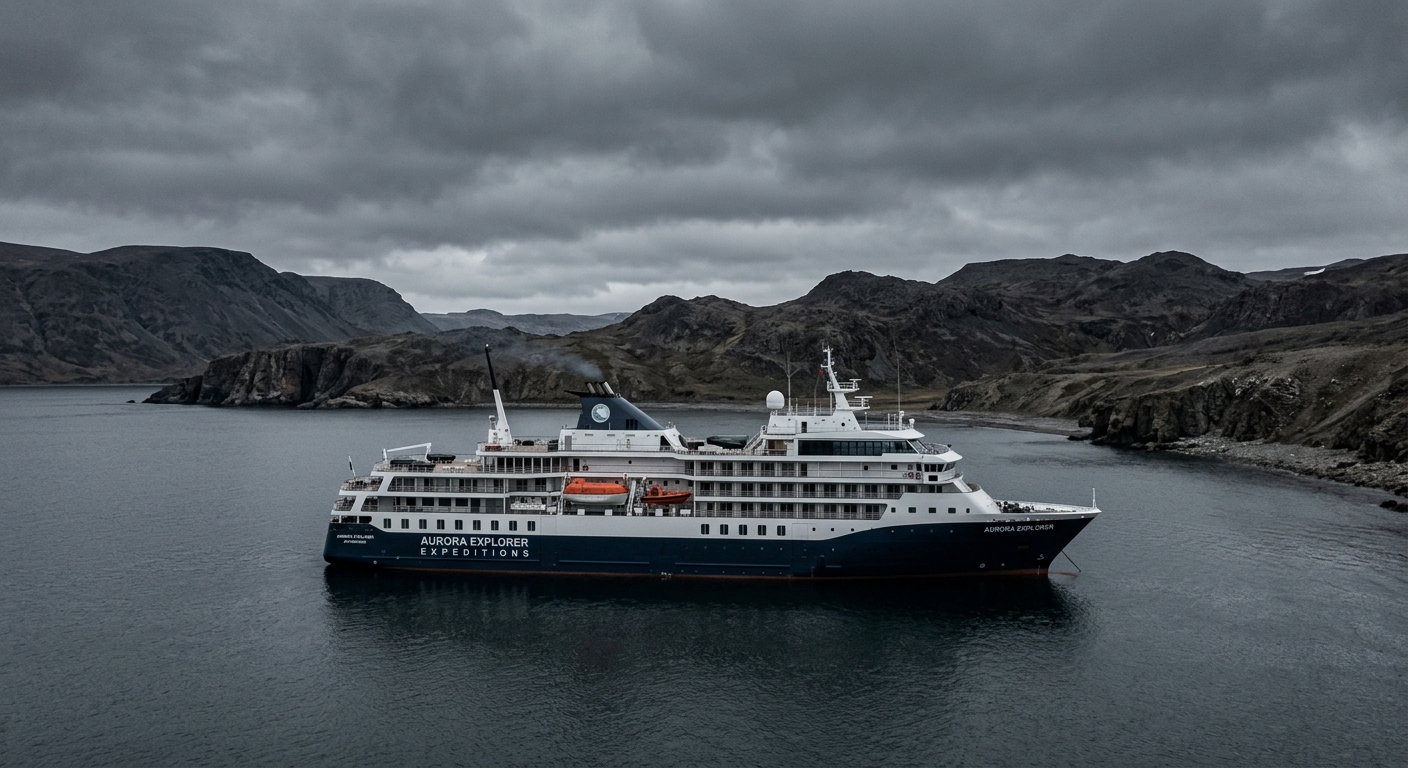
The expedition cruise ship Hondius sits motionless off the coast of Cape Verde, transformed from a luxury vessel into a floating quarantine ward. What began as a journey into the remote corners of the Atlantic has spiraled into a medical emergency involving three deaths and a confirmed case of the deadly hantavirus. As the World Health Organization (WHO) steps in to manage the crisis, the maritime industry faces a stark reminder that isolation is no longer a shield against global health threats. The logistics of managing an outbreak in such a confined, remote environment are now testing the limits of international maritime cooperation.
The Silent Passenger
The Hondius, operated by Oceanwide Expeditions, is currently the center of a high-stakes medical drama. Three passengers have died, and three more are fighting for their lives as a suspected virus sweeps through the small community on board. With 149 people from 23 different nationalities, the ship is a microcosm of global connectivity, now facing a common, invisible enemy. The vessel's isolation, once its primary selling point for adventurous travelers, has become its greatest liability as medical supplies and specialized personnel struggle to reach the remote location.
The initial reports were vague, but the gravity of the situation became clear when the World Health Organization (WHO) intervened. One case has been laboratory-confirmed in a patient evacuated to South Africa, while five others remain under investigation. The ship’s current position off Cape Verde places it in a logistical limbo, far from the advanced medical infrastructure required to treat a virus as aggressive as hantavirus. This geographic gap necessitates a complex, multi-national evacuation strategy that involves several governments and international health bodies.
Managing a outbreak of this scale requires more than just medical expertise; it requires a deep understanding of maritime law and port state control. As the ship sits idle, the operators must navigate the competing demands of public health, passenger safety, and international regulations. The situation remains fluid, with every hour bringing new challenges to the crew and the medical teams working remotely to stabilize the remaining passengers and crew members.
The Biological Threat
Hantavirus is not a typical guest on a cruise ship. Usually associated with rodent droppings and environmental exposure in rural areas, its presence on a modern expedition vessel is both rare and alarming. The virus causes severe respiratory distress, and perhaps most terrifyingly for the crew, it has no known cure. Treatment is limited to supportive care, such as mechanical ventilation, which is difficult to provide in the limited medical facilities of a cruise ship.
The incubation period adds a layer of complexity to the containment effort. Symptoms can take anywhere from one to eight weeks to manifest, meaning anyone on board could be carrying the virus without knowing it. This "stealth" phase makes traditional screening methods like temperature checks nearly useless in the early stages of an outbreak. For a ship that prides itself on visiting untouched environments, the irony of a pathogen linked to environmental exposure is not lost on the industry.
The WHO has noted that while hantavirus infections are typically linked to environmental exposure, human-to-human transmission is a rare but possible risk. This possibility necessitates strict isolation protocols on board, turning a vessel designed for socializing into a series of disconnected cabins. The psychological toll on the 149 people on board, who are now essentially confined to their rooms while mourning their fellow travelers, cannot be overstated. It is a grim scenario that tests the mental resilience of even the most seasoned expedition crew.
The Cape Verde Standoff
The Hondius currently remains off the coast of Cape Verde, a strategic but limited hub for maritime operations in the Mid-Atlantic. Local authorities have visited the ship, and a formal request for the medical evacuation of two ill crew members was made. The logistics of such an evacuation are daunting, as the patients must be moved without risking further spread of the virus to the local population or the transport teams. This requires specialized bio-containment equipment that is rarely found on standard rescue helicopters.
Cape Verde’s role in this crisis is one of facilitation rather than long-term care. The islands provide a staging ground for international assets, but the ultimate destination for the sick and the deceased lies elsewhere. The coordination between the ship’s captain, the Cape Verdean coast guard, and international health agencies is a masterclass in high-stakes communication. Every decision must be weighed against the risk of the virus jumping ship and entering a new population center.
The ship's operators are now considering sailing to Las Palmas or Tenerife in the Canary Islands. These destinations offer more robust medical facilities and better connections for international disembarkation. However, the decision to move a quarantined vessel across international waters is never simple. It requires the consent of the destination port and a guarantee that the vessel will not become a burden on local health resources. The Canary Islands, as a major cruise hub, are well-versed in maritime health protocols, but a hantavirus outbreak is a challenge of a different order.
Diplomacy on the High Seas
The response to the Hondius crisis is a testament to the complex web of international maritime diplomacy. The Dutch Ministry of Foreign Affairs has taken a leading role, proposing the evacuation of two individuals and the transport of the deceased passenger back to the Netherlands. This involves not only logistical planning but also legal negotiations regarding the repatriation of remains and the treatment of foreign nationals in Dutch hospitals. With 23 nationalities represented on board, the diplomatic overhead is staggering.
South Africa has already played a critical role by accepting the first confirmed case for treatment. The laboratory confirmation of hantavirus in a South African facility was the catalyst for the WHO’s increased involvement. This cross-continental cooperation is essential in an era where a virus can travel from a remote expedition site to a major metropolitan hospital in a matter of days. The WHO is currently facilitating the risk assessment and providing support to those still on board, ensuring that international standards for disease control are strictly followed.
This level of intervention by the WHO is relatively rare for a single-vessel incident, highlighting the perceived risk of the situation. The organization is not just monitoring the health of the passengers; it is conducting a full risk assessment of the vessel itself. This includes investigating how the virus entered the ship and whether the ship’s ventilation or water systems could be contributing to the spread. The findings of this assessment will likely influence future safety protocols for the entire expedition cruise sector.
The Regulatory Angle
Under the International Health Regulations (2005), port states have specific obligations and rights when dealing with a vessel carrying a suspected infectious disease. While a ship cannot be denied "free pratique" without a valid public health reason, the discovery of a pathogen like hantavirus allows authorities to impose strict quarantine measures. The tension between the ship's right to seek refuge and the port's duty to protect its citizens is the central conflict in maritime health law. In this case, the involvement of the WHO acts as a neutral arbiter, ensuring that decisions are based on science rather than political or economic fear.
The Expedition Cruise Paradox
The expedition cruise sector has seen explosive growth in recent years, driven by a desire for "authentic" and "untouched" travel experiences. However, this growth brings travelers into closer contact with remote ecosystems and the pathogens that inhabit them. The paradox of the expedition cruise is that the very thing that makes it attractive—its isolation and proximity to wild nature—is also what makes it vulnerable. When a medical crisis occurs, the distance from modern infrastructure can turn a manageable illness into a tragedy.
Unlike large-scale commercial cruise ships that operate in well-traveled lanes with frequent port calls, expedition vessels often spend weeks in areas with limited or no medical facilities. The Hondius is a state-of-the-art vessel, but even the best-equipped shipboard infirmary is not a substitute for a tertiary care hospital. This incident will likely lead to a re-evaluation of the medical requirements for expedition vessels, potentially mandating higher levels of diagnostic equipment and specialized training for onboard medical staff.
Furthermore, the industry must grapple with the environmental impact of these voyages. If hantavirus is indeed linked to environmental exposure during a shore excursion, it raises questions about the safety of landing in certain remote areas. The industry’s "leave no trace" philosophy may need to be expanded to include "take no pathogen." Operators will need to implement more rigorous screening of landing sites and perhaps even provide passengers with protective gear in areas identified as high-risk for zoonotic diseases.
The Chain of Custody
The logistical chain for a medical evacuation of this nature is incredibly fragile. It involves a "warm handoff" between shipboard medical staff, helicopter crews, airport ground handlers, and hospital intake teams. Each link in this chain must be secured with rigorous decontamination protocols. For the deceased passenger, the process is even more complex, involving the legal and religious requirements of their home country, as well as the public health requirements of every jurisdiction the body passes through.
The Dutch proposal to transport the deceased and the ill back to the Netherlands highlights the importance of national support for maritime operators. In a crisis, the flag state and the nationality of the passengers often dictate the level of resources available. For the Hondius, which flies the Dutch flag, the involvement of the Netherlands provides a clear path forward. However, for ships flying flags of convenience with less robust diplomatic and medical infrastructure, a similar outbreak could be even more catastrophic.
Beyond the immediate evacuations, the ship itself must undergo a thorough cleaning and disinfection process. This is not a simple matter of wiping down surfaces; it involves professional bio-hazard teams who can treat the ship’s internal systems, including HVAC and water lines. The vessel will likely remain out of service for a significant period, leading to a cascade of cancellations and financial losses for the operator. This "long tail" of a viral outbreak is a significant risk factor for smaller expedition companies that operate only a few vessels.
"The distance from modern infrastructure can turn a manageable illness into a maritime tragedy, testing the limits of international cooperation."
Risk Assessment in Real Time
The World Health Organization’s risk assessment of the Hondius is a critical component of the ongoing response. This assessment is not merely a medical review but a comprehensive audit of the vessel's operational environment. Experts are likely examining the ship’s logbooks, maintenance records, and passenger movement data to trace the origin of the outbreak. The goal is to determine if the exposure occurred during a specific shore excursion or if the virus was introduced to the ship through contaminated supplies or a "patient zero" among the crew or passengers.
This real-time risk assessment serves two purposes. First, it provides the immediate guidance necessary to protect the people currently on board. Second, it generates data that will be used to update global maritime health guidelines. The WHO’s involvement ensures that the lessons learned from the Hondius are shared with the broader maritime community, potentially preventing similar outbreaks on other vessels. This transparency is vital for maintaining public confidence in the cruise industry, which is still recovering from the reputational damage caused by the COVID-19 pandemic.
One of the most challenging aspects of the assessment is the multi-national nature of the people involved. With 23 nationalities on board, the WHO must coordinate with health ministries from around the world. Each country has its own reporting requirements and public health standards, and the WHO acts as a central clearinghouse for this information. This role is particularly important when it comes to contact tracing. If passengers had already disembarked or if crew members had recently joined the ship, the risk assessment must extend far beyond the vessel’s current location.
The results of this assessment will also have significant legal implications. If the investigation finds that the operator failed to follow established safety protocols, they could face substantial liability. Conversely, if the outbreak is found to be a truly unforeseeable "act of God" or a result of environmental factors beyond the operator's control, it will highlight the inherent risks of expedition travel. For insurers and legal professionals in the maritime sector, the WHO’s final report will be the definitive document for determining responsibility and settling claims.
The Ripple Effect
The impact of the Hondius outbreak will be felt far beyond the coast of Cape Verde. For the expedition cruise industry, this event is a wake-up call regarding the biological risks of remote travel. We can expect to see a tightening of health protocols across the sector, including more rigorous pre-boarding screenings and perhaps even mandatory vaccinations or prophylactic treatments for certain routes. The industry may also see a shift in vessel design, with a greater emphasis on isolation capabilities and advanced onboard medical facilities.
Port authorities around the world are also watching this situation closely. The arrival of a quarantined vessel can be a major disruption to port operations, requiring specialized docking areas, waste disposal protocols, and security measures. Ports that are frequent stops for expedition ships may begin to demand more detailed health declarations and proof of contingency planning from operators. This could lead to a new set of "health-readiness" certifications for cruise lines, similar to the environmental certifications that have become standard in recent years.
The financial implications are also significant. Beyond the immediate costs of the medical evacuations and the loss of revenue from canceled voyages, the industry faces an increase in insurance premiums. Insurers will likely re-evaluate the risk profiles of expedition voyages, particularly those that visit remote or biologically sensitive areas. This could lead to higher ticket prices for passengers, potentially cooling the rapid growth the sector has enjoyed. However, for those who continue to seek out the world’s last wild places, the price of safety is one they will likely be willing to pay.
Finally, this incident underscores the importance of data and technology in managing maritime crises. The ability to track a vessel's movements, monitor the health of its passengers in real-time, and coordinate with international authorities is essential. As the industry moves toward greater digitalization, the lessons from the Hondius will inform the development of new tools for crisis management and public health monitoring. The goal is to create a more resilient maritime ecosystem that can respond to the unexpected with speed, precision, and compassion.
How Exaqube Helps
The logistical chaos of a mid-ocean outbreak is exactly why ScheduleSense is a vital tool for maritime operators and port authorities. It allows for real-time tracking of vessel movements and provides instant alerts when a ship deviates from its planned itinerary—a critical capability when a vessel like the Hondius must suddenly change course for a medical emergency. For port managers in the Canary Islands, ScheduleSense provides the necessary lead time to prepare specialized docking facilities and coordinate with local health authorities before the ship arrives.
Furthermore, the management of hazardous biological waste and the transport of specialized medical equipment require the precision of DGSense. While typically used for commercial cargo, the principles of DGSense—automated compliance with IMDG codes and seamless documentation—are essential when handling the sensitive "dangerous goods" associated with a viral outbreak. For an operator navigating the complex regulations of multiple jurisdictions, having a platform that ensures every piece of documentation is accurate and compliant is the difference between a smooth evacuation and a costly, dangerous delay.
The crisis on the Hondius is a sobering reminder of the thin line between adventure and emergency in the maritime world. As the ship makes its way toward the Canary Islands, the industry will be watching closely to see how the next phase of disembarkation and decontamination is handled. This incident will undoubtedly leave a lasting mark on the expedition cruise sector, serving as a catalyst for a more robust, data-driven approach to maritime health and safety. The future of remote travel depends on the industry's ability to learn from this tragedy and build a safer, more resilient path forward for travelers and crew alike.
Originally reported by [maritime-executive.com](https://maritime-executive.com/article/three-have-died-three-ill-from-suspected-virus-on-expedition-cruise-ship)
Originally published at maritime-executive.com.