

Thirst for Savings: Why Charging Crew for Water Cost Formosa Plastics an Australian Port Ban
TL;DR
The Australian Maritime Safety Authority (AMSA) issued a six-month ban to the capesize bulker FPMC B Forever following a port state control inspection in Newcastle.
Inspectors uncovered nearly US$11,000 in unpaid wages and a policy of charging crew members for potable water, violating the Maritime Labour Convention.
The ban marks a continuing trend of Australian regulators taking a zero-tolerance approach to seafarer exploitation, following similar actions against two other bulkers earlier this year.
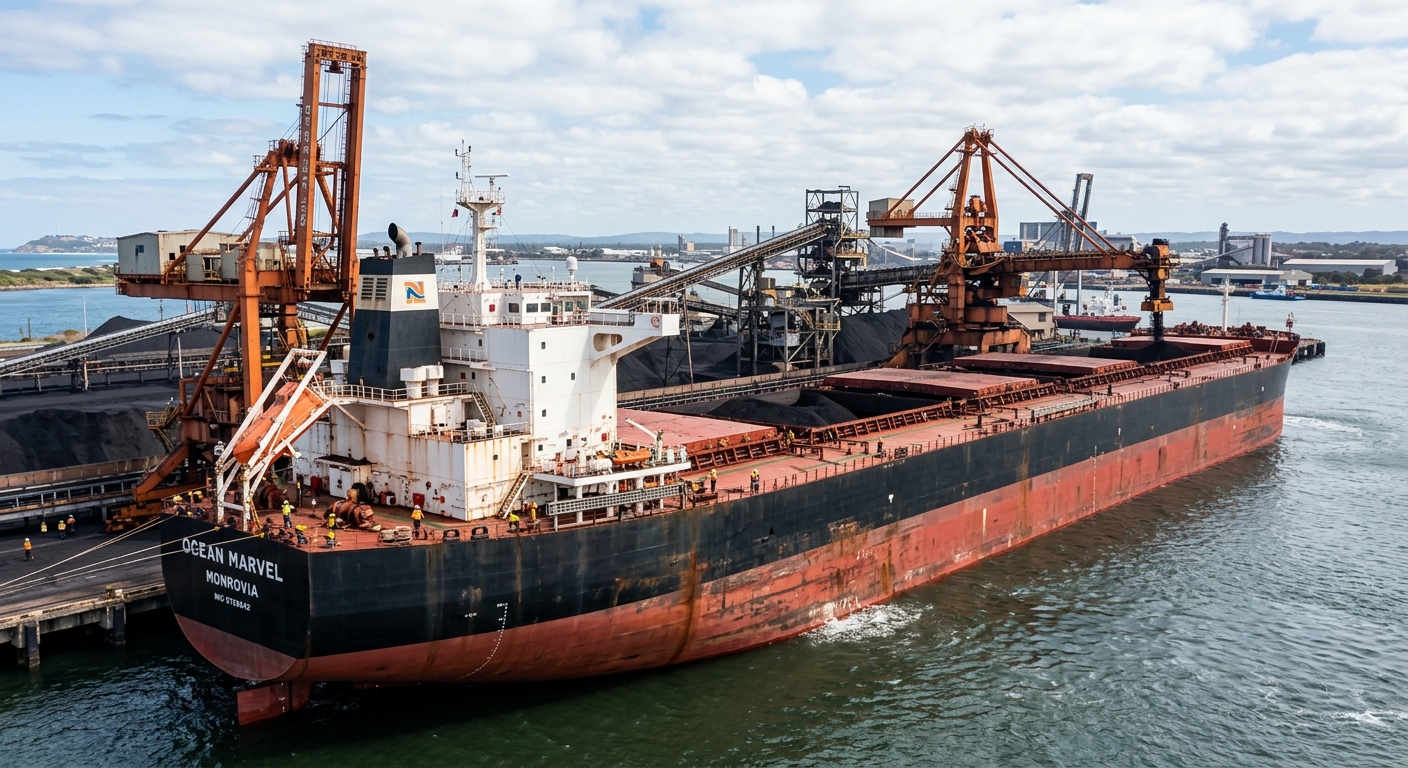
AMSA inspectors stepped onto the deck of the FPMC B Forever at the Port of Newcastle expecting a routine check but left with enough evidence to exile the vessel for nearly six months. The 180,000-dwt bulk carrier, operated by Formosa Plastics Marine Corporation, found itself on the wrong side of the Maritime Labour Convention (MLC) after regulators discovered the crew was paying for the very water they needed to survive. This enforcement action highlights a growing intolerance for operators who treat international labor standards as optional line items. In the high-stakes world of Australian mineral exports, the price of a bottle of water has suddenly become a multi-million dollar liability.
The High Cost of Petty Savings
The FPMC B Forever is no small player in the global logistics chain. At 180,099 deadweight tons, this capesize bulker is built for the heavy lifting of the maritime industry, specifically the iron ore and coal trades that define the Australia-Asia corridor. When AMSA inspectors boarded the vessel on April 23, they were not looking for minor paint chips or slightly outdated charts. They were looking for structural and systemic failures in how the operator, Formosa Plastics Marine Corporation, managed its most valuable asset: its people.
What they found was a staggering disregard for basic human needs. The crew was reportedly underpaid by approximately A$15,000, which translates to roughly US$10,853. While this sum might seem like a rounding error in the operational budget of a massive shipping conglomerate, it represents a significant portion of the livelihood for the seafarers on board. More egregious was the discovery that the crew was being charged for potable water. In an industry where the environment is inherently hostile and hydration is a matter of basic safety, charging for drinking water is not just a violation of the Maritime Labour Convention; it is a profound failure of command.
The immediate consequence was a detention order, followed quickly by a ban that lasts until October 4. This means the vessel is effectively persona non grata in one of the world’s most important dry bulk markets for several months. For a vessel of this size, every day spent away from profitable Australian berths represents a massive loss in potential revenue. The "savings" found by withholding wages and selling water have been obliterated by the sheer cost of the regulatory hammer.
The MLC and the Right to Hydration
Originally reported by [maritime-executive.com](https://maritime-executive.com/article/australia-bans-bulker-after-finding-unpaid-wages-and-charges-for-water)
Originally published at maritime-executive.com.